- Top level Masters
Learn from the best jazz guitarists from the comfort of your home. - On your time, at your pace
Choose when, and how quickly you want to progress. - Low cost, high value
We believe knowledge should be attainable to everyone. - The Latest Online Training Platform
Why today’s way of learning is making learning online easier. - Feel you’re at a plateau?
Let us help you take the next step! - Always wondered how to sound like a pro?
We know the way.
LATEST RELEASES
{"post_type":"course","featured_style":"course3","grid_columns":"clear4 col-md-3","gutter":"30","grid_number":"4","grid_excerpt_length":"200"}


ON SALE THIS WEEK
-
Sale!
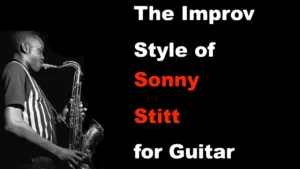
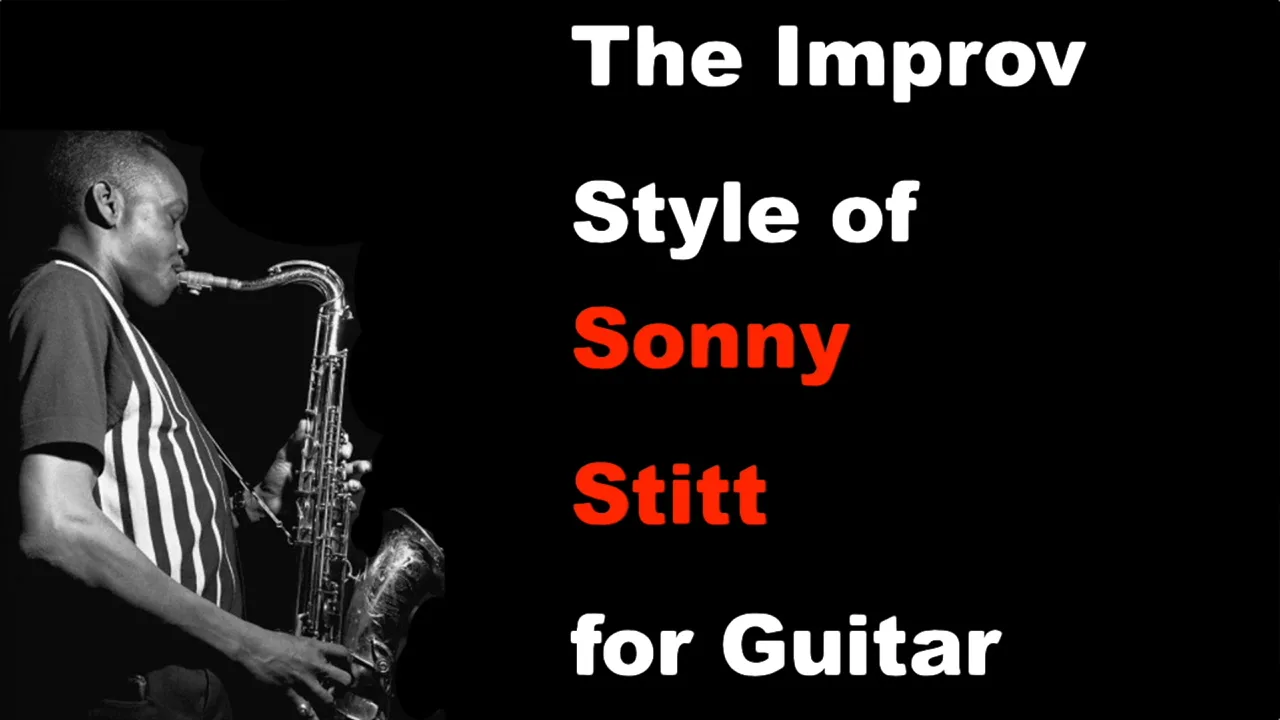
The Improve Style of Sonny Stitt for Guitar
$7.95 - $13.95 Select options -
Sale!
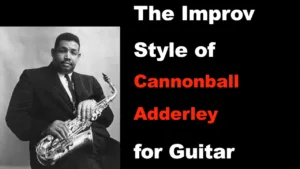
The Improv Style of Cannonball Adderley for Guitar
$5.95 - $13.95 Select options -
Sale!
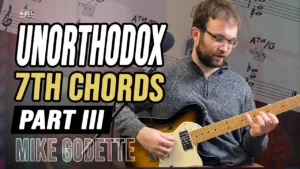
Unorthodox 7th Chords (Part III)
$5.95 - $13.95 Select options -
Sale!
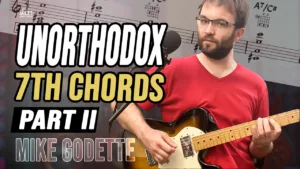
Unorthodox 7th Chords (Part II)
$5.95 - $13.95 Select options -
Sale!
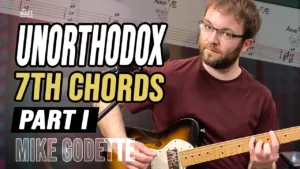
Unorthodox 7th Chords (Part I)
$5.95 - $13.95 Select options -
Sale!
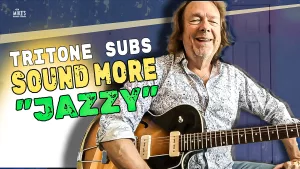
Tritone Substitutions with ii-Vs in the Style of Wes Montgomery
$6.95 - $12.95 Select options -
Sale!
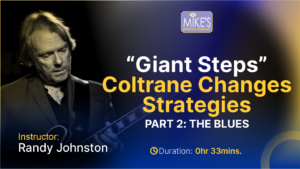
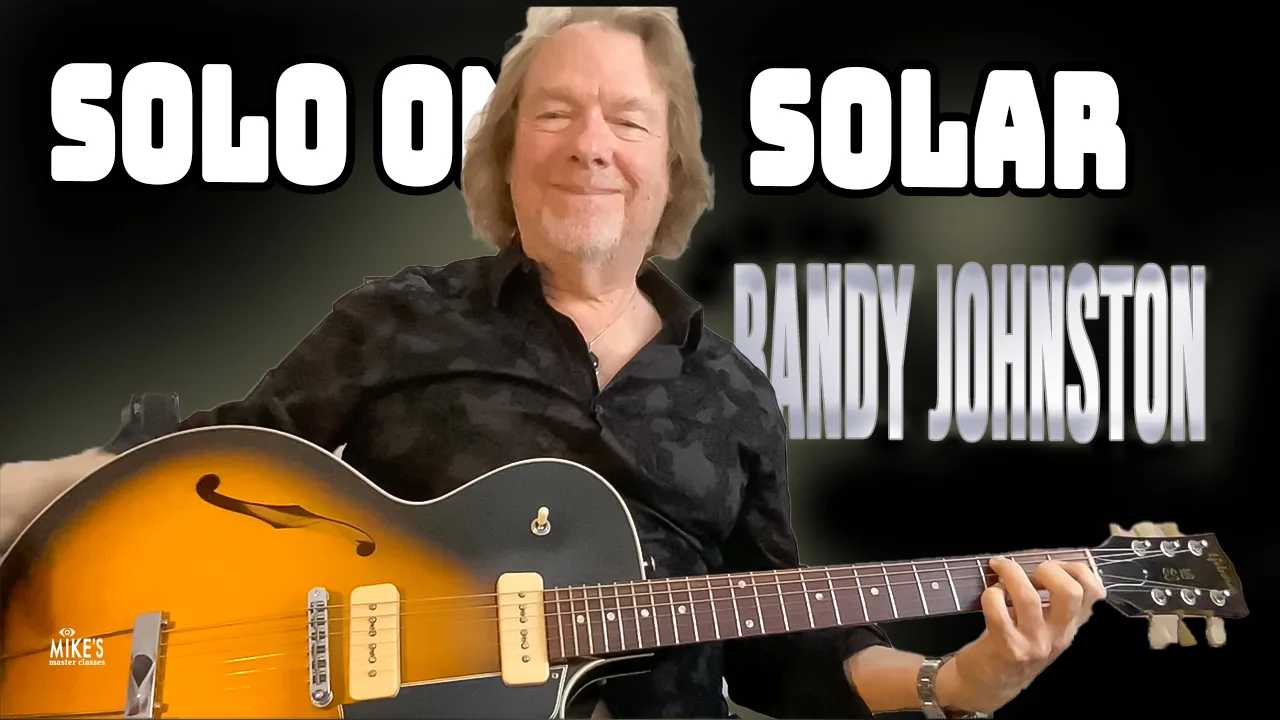
Randy Johnston’s Coltrane Changes Strategies- Part 2- The Blues
$6.95 - $11.95 Select options -
Sale!
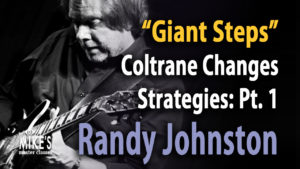
Randy Johnston’s Coltrane Changes Strategies – Part 1
$4.95 - $11.95 Select options